أ.د. عاصم القريوتي
 16
16 تواصل معنا
إغلاق

Mobile gaming has moved beyond a simple pastime. It’s reshaping how Britons unwind, shop, and even socialise. From 24‑hour play‑to‑earn models that turn spare minutes into pocket cash, to game‑inspired memes flooding social feeds, the industry’s ripple effects touch every corner of the entertainment ecosystem.
Over the last decade, the average UK user has cut TV time by roughly 30 minutes a day, swapping it for quick mobile sessions that last between 3 and 7 minutes. A 2023 survey by the Digital Entertainment Hub found that 62 % of respondents admitted they’d skip a TV episode to finish a level on their phone.
Retailers are noting a 12 % uptick in impulse purchases made while a user’s phone is unlocked and a game is running. The “loot‑box” mechanic, which offers random rewards, has inspired loyalty programmes that reward points for app engagement rather than just purchases.
Example: A UK fashion brand introduced a “spin‑to‑win” feature that lets shoppers earn a 15 % discount after completing a 10‑minute mobile game. The campaign lifted sales by 18 % over the first month.
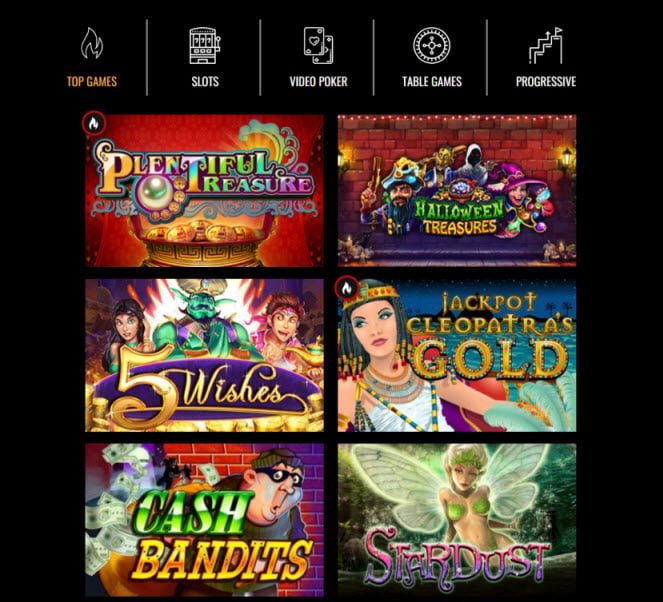
For those looking to extend their gaming experience into the realm of chance and strategy, jokabet casino offers a seamless transition with familiar mobile interfaces and reward systems.
The number of screenshots posted from mobile games on Instagram rose from 1.2 million in 2018 to 3.8 million in 2023. These images often include in‑app achievements that users feel compelled to flaunt.
Consequently, influencer marketing has pivoted: instead of buying a product, brands now sponsor in‑game items that fans can showcase. A recent case saw a UK tech blogger earn £1,200 by promoting a virtual headset within a popular puzzle game.
Play‑to‑earn (P2E) games have introduced a new form of micro‑entrepreneurship. In 2024, 9 % of UK Gen‑Z users reported earning an average of £25 per week through in‑app rewards. While this can supplement low‑income budgets, it also raises questions about regulatory oversight and the blurring line between leisure and work.
Limitations: The P2E model heavily favours users with high‑end devices and fast data plans, widening the digital divide. Those on basic plans find it hard to keep up with the in‑app purchases required to stay competitive.
When a casual player finishes a quick match, the next logical step is often a look at related content—be it a streaming recommendation or a digital store offer. This seamless transition has made the line between gaming and other online entertainment increasingly porous. For instance, after a gaming session, a user might be nudged to a “jokabet casino” where the same mobile interface and reward system create a unified play experience.
Mobile gaming’s rapid growth has reshaped UK leisure by shortening attention spans, redefining shopping triggers, and intertwining social media with gameplay. While the industry offers fresh revenue streams and engagement models, it also demands careful scrutiny of its social and economic implications. The future will likely see even tighter integration between games, shopping, and streaming, making the mobile device the single hub of modern entertainment.
It’s the trend where mobile gaming and apps become the primary way Britons unwind, shop, and socialize, replacing traditional TV and PC use.
UK users cut TV time by about 30 minutes daily, replacing it with quick, on‑the‑go mobile gaming sessions.
These are 24‑hour gaming loops that let players earn real‑world cash or rewards by completing short tasks in mobile games.
They tap into shared gaming culture, boosting engagement and spreading trends faster across platforms.